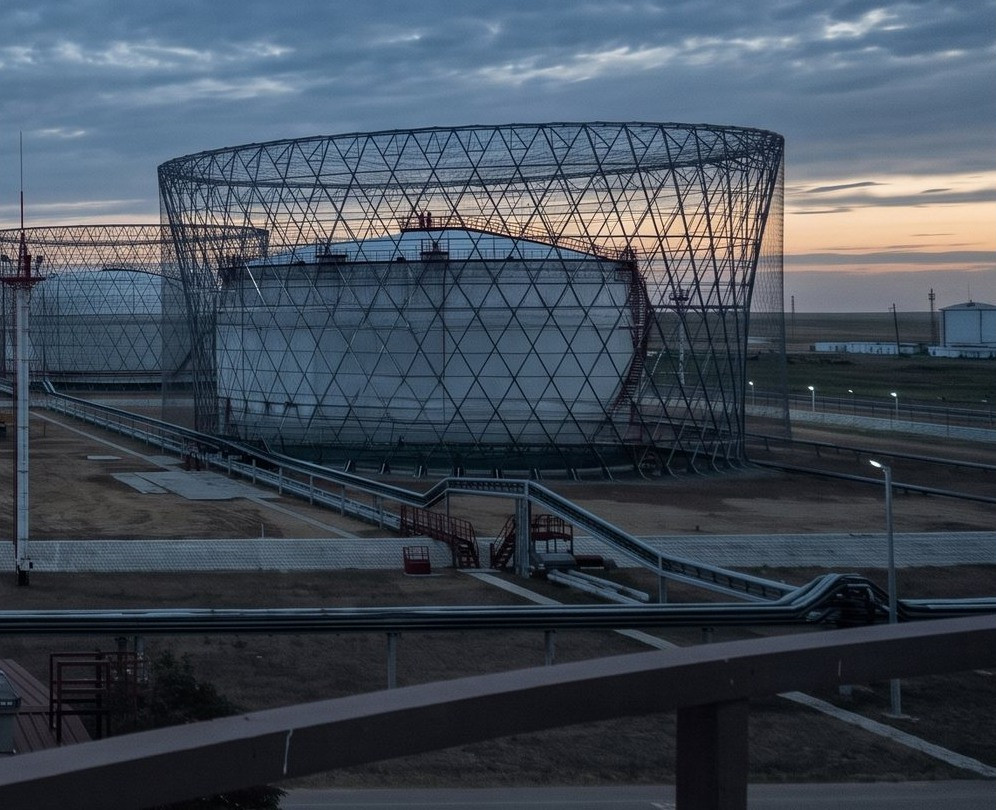
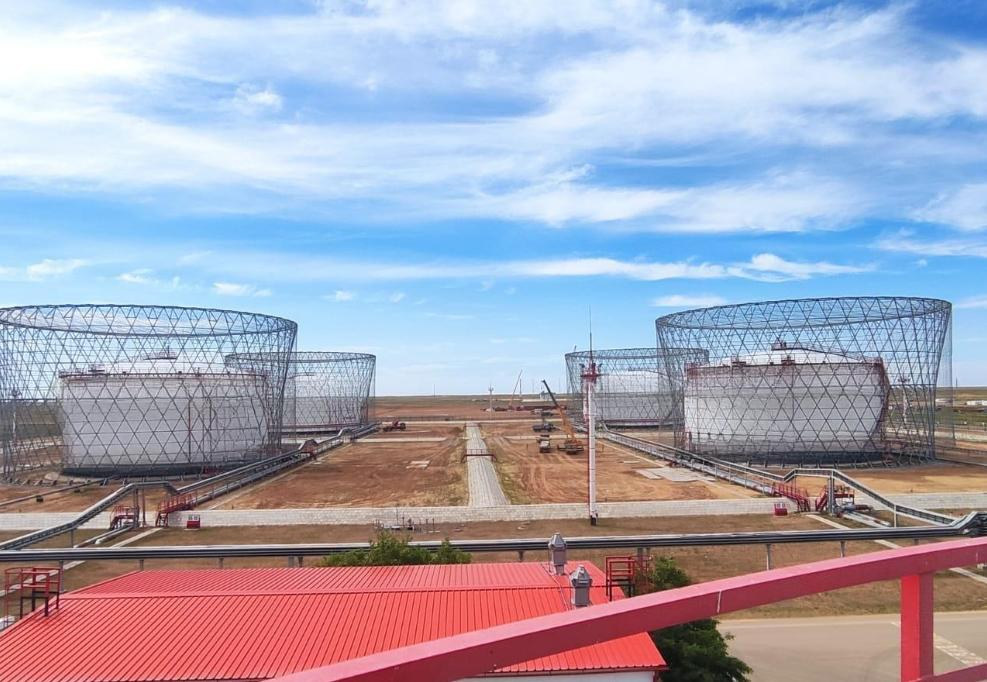
A multi-tank storage site with a steel lattice structure erected over each tank
RAVEN SHIELD · protective structural system

Protection against one-way attack UAVs.

How do you protect a fixed industrial asset against a one-way attack drone? A steel frame carrying a dual barrier of cable and gabion mesh, overhead and lateral, over the asset itself.

Suspended UAV protection structure. Two configurations, one dual barrier.

Complete overhead and lateral protection — a steel frame carrying a dual barrier of cable and gabion mesh over the protected asset.

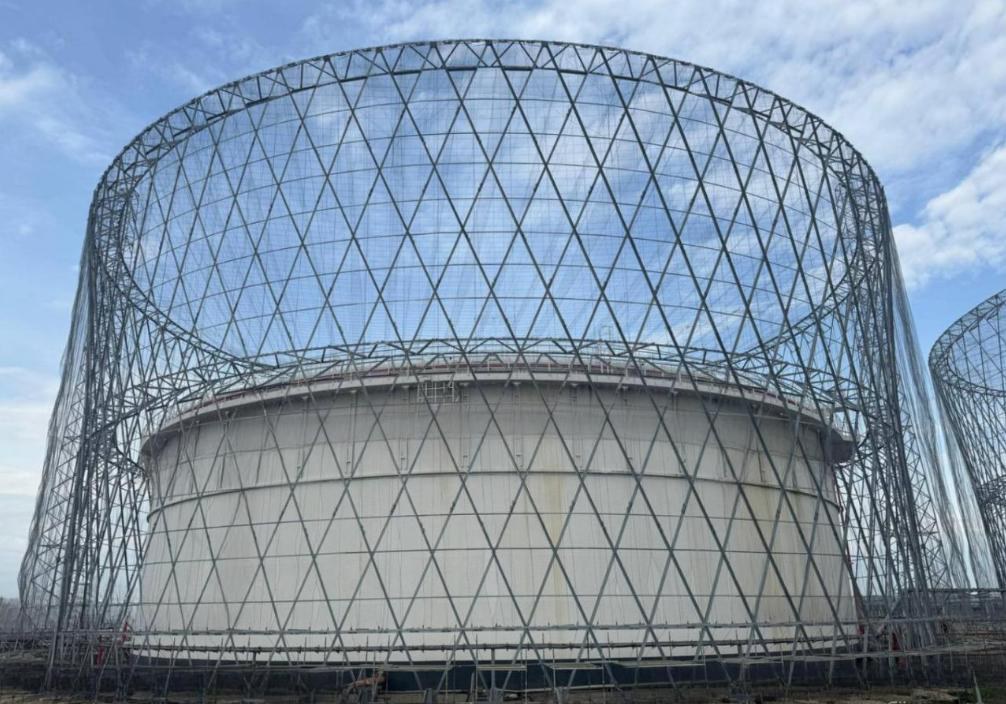
SHIELD-SH suspended lattice over a vertical storage tank
SHIELD-SHSuspended lattice Storage tanks and vessels
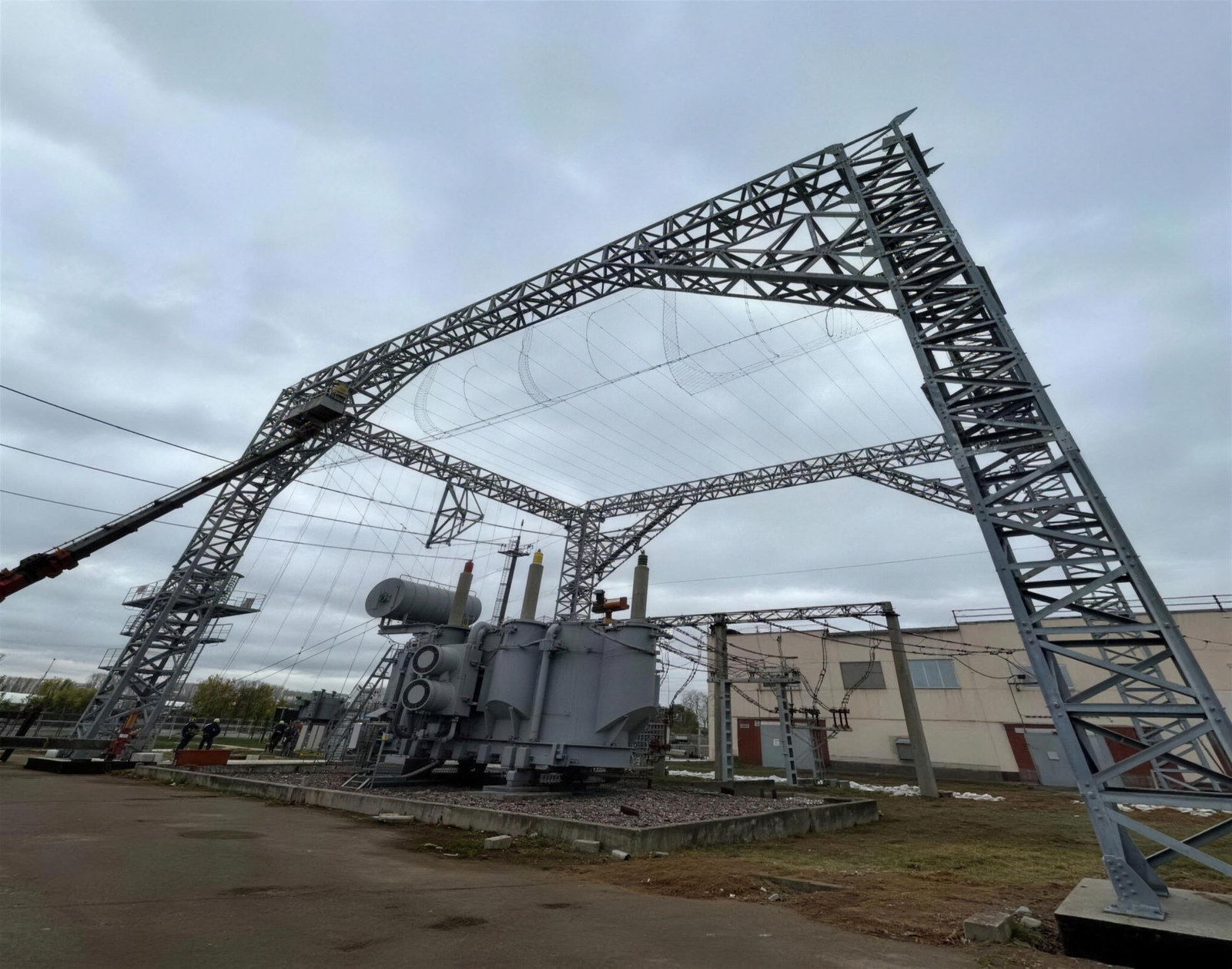
SHIELD-P portal frame over an energised substation
SHIELD-PPortal frame Substations and process equipment
The scale of the fixed-wing UAV threat

What a sustained one-way UAV campaign costs an industrial economy.

40–50K Large fixed-wing UAVs intercepted over one territory, 2022–2026
100s Infrastructure facilities damaged — plants, refineries, substations, fuel depots
$90–100B Minimum estimated direct damage, excluding lost revenue, repairs, logistics and payroll

Direct losses only. Indirect cost — interrupted production, emergency repair, re-routed logistics and idle payroll — is carried on top. Every one of those facilities is a fixed, mapped, immovable target.
Existing market solutions for counter-UAV protection

Most offerings stop at the net. RAVEN SHIELD covers the full class.

Threat classOther companiesRAVEN SHIELD
Small UAV — up to 30 kg, 60 km/hCovered ✓
Light UAV — up to 100 kg, 120 km/hPartial ✓
Medium UAV — up to 200 kg, 200 km/hNot covered ✓
Complete overhead and lateral protectionRare ✓

Light net and cable systems are built for small rotary UAVs. RAVEN SHIELD is engineered for the medium class — 200 kg arriving at 200 km/h.

Proven operational experience under real threat conditions
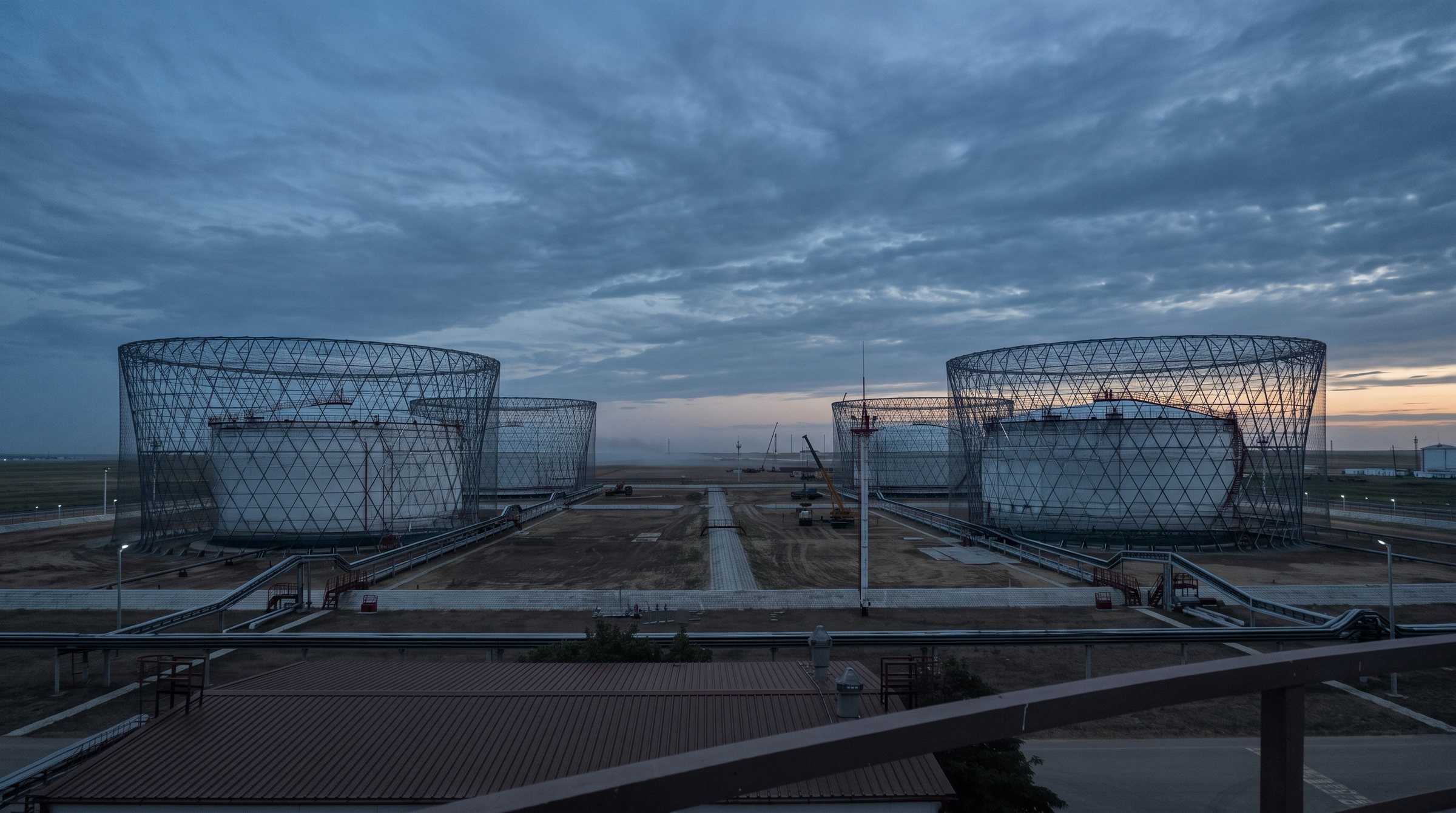
SHIELD-SH lattice over a 50,000 cubic-metre storage tank
Protection of a 50,000 m³ storage tank — SHIELD-SH

Three UAVs impacted one structure. The tank kept operating.

The structures have demonstrated positive real-world performance, including confirmed fixed-wing UAV attacks at two facilities. These incidents validated the system's effectiveness in minimising damage risk and ensuring continuity of technological operations.

Three UAVs impacted a SHIELD-SH structure, where a significant number of structural elements were cut or removed.

A substantial structural safety margin and load-bearing redundancy.

Fielded on critical infrastructure

Implemented at strategic facilities of national energy and grid utilities.

154 Standalone structures on tanks from 400 m³ to 50,000 m³
30 Facilities completed pilot industrial operation, including winter
2 Facilities defended in real-world fixed-wing UAV attacks
Listed In a national code of practice for protection of critical facilities

Confirms suitability for critical infrastructure and compliance with operational reliability and industrial safety requirements.

Operational record and qualification as stated by the manufacturer of the structure

Engineering
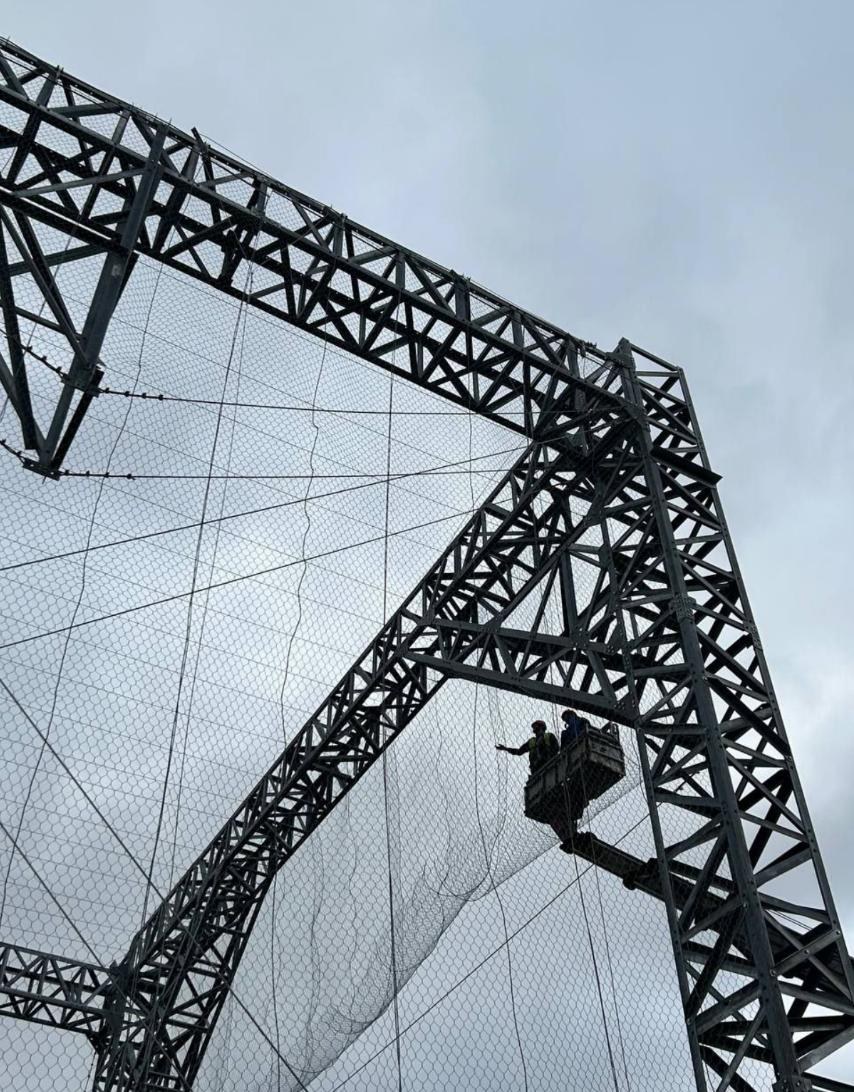
Cable and gabion mesh being installed on a lattice structure
SHIELD-SH · spatial lattice structure

Hyperboloid geometry.Maximum rigidity, minimum steel.

  • Single-sheet hyperboloid geometry — a lightweight yet rigid lattice that minimises steel consumption
  • High-strength galvanised steel — structural elements
  • Dual protective barrier — cable and gabion mesh, overhead and lateral
  • Sacrificial protection concept — frame and barrier absorb the UAV impact, preserving the integrity of the tank and equipment without progressive structural failure
SHIELD-P portal frame over an energised substation
SHIELD-P · portal frame structure

Non-permanent.No guy wires required.

  • Vertical columns and horizontal beams — interconnected with cable bracing and trusses
  • Protection system — cable and gabion mesh with integrated steel cables on the sides and overhead
  • Provision for vehicle access openings — the facility keeps operating
  • Full release of the entire side mesh — quick-release ensures rapid access for firefighting in emergencies

Area of application: 110–500 kV substations · oil & gas facilities and equipment · critical infrastructure assets

Dynamic and static testing

Qualified at a certified test site.

The structures have successfully undergone dynamic and static testing at a certified test site.

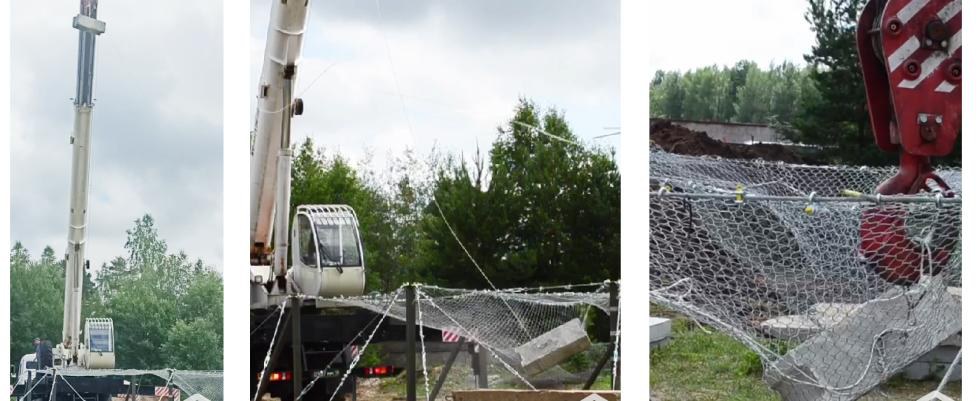
The mesh system successfully passed dynamic testing at a national rescue-service test centre, in accordance with the testing programme and methodology developed by the responsible state technical institute.

  • Dynamic impact — barrier energy absorption and retention
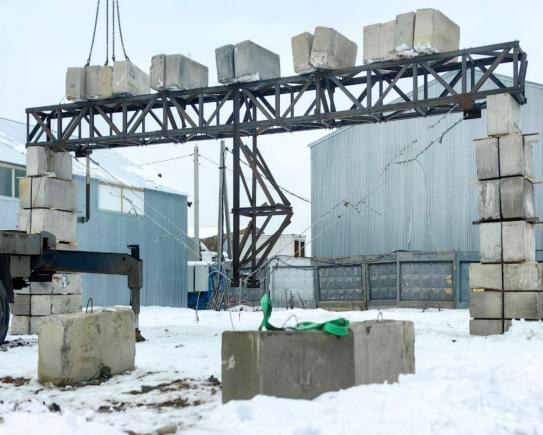
  • Static load — frame capacity and load-bearing redundancy
Dynamic impact test sequence on the mesh barrier
Dynamic impact test sequence — mesh barrier
Static load test of a frame section
Static load test
Ready to start designing, manufacturing and installing — immediately

Three steps from survey to a protected asset.

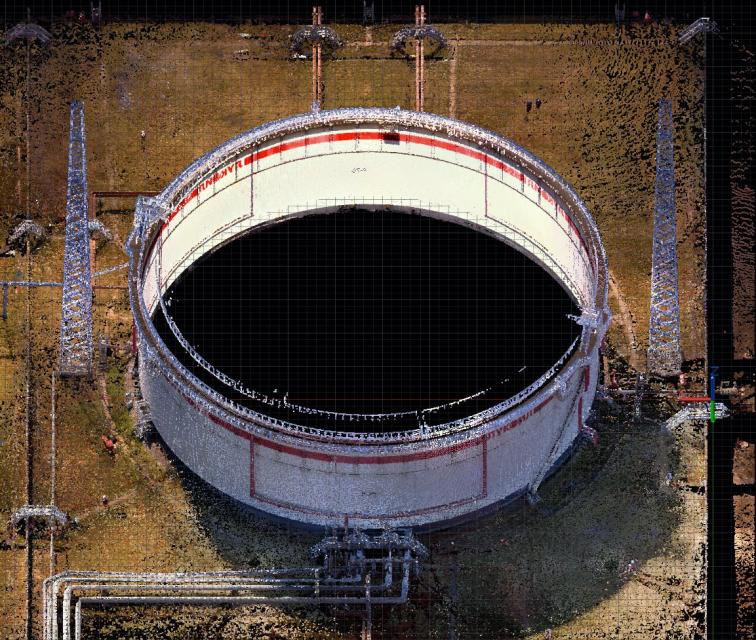
Point cloud of a tank inside its protective structure
Step 01

3D scanning of the facility

Laser survey of the asset produces the as-built point cloud the structure is designed against.

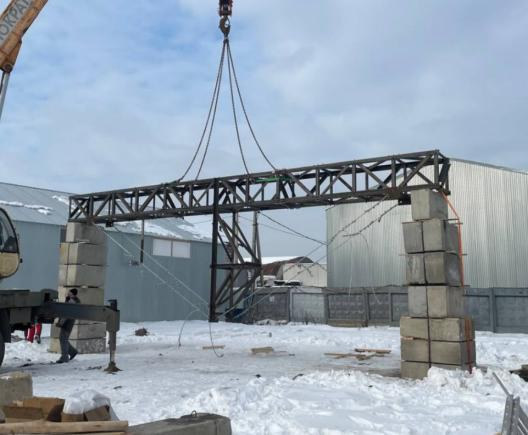
A lattice truss section lifted into place
Step 02

Engineering, manufacturing and construction in parallel

The three phases run concurrently rather than in sequence, compressing the schedule.

Protected storage tanks under their lattice structures
Step 03

Installation of the actual model

Erected on the live asset — reference case: a 50,000 m³ storage tank.

Ready to proceed

We are ready to design, manufacture and install — immediately.

RAVEN SHIELD is delivered by G7X as a single-source package: site survey, structural design, fabrication, delivery and installation.